
How to Choose the Right Fabrics for Alternative Fashion Options
**1. Introduction**
Alternative fashion represents a vibrant and ever-changing segment of the fashion industry, characterized by a commitment to individuality, creativity, and often a non-conformist approach to style. It encompasses a wide array of aesthetics, ranging from punk and goth to bohemian and avant-garde. As more consumers seek to express their unique identities through their wardrobe choices, selecting the right fabric has become increasingly important. The appropriate fabric not only enhances the design and functionality of garments but also aligns with values such as sustainability, comfort, and durability—qualities that many enthusiasts of alternative fashion prioritize.
**2. Fabric Specifications**
*Types of Fabrics for Alternative Fashion*
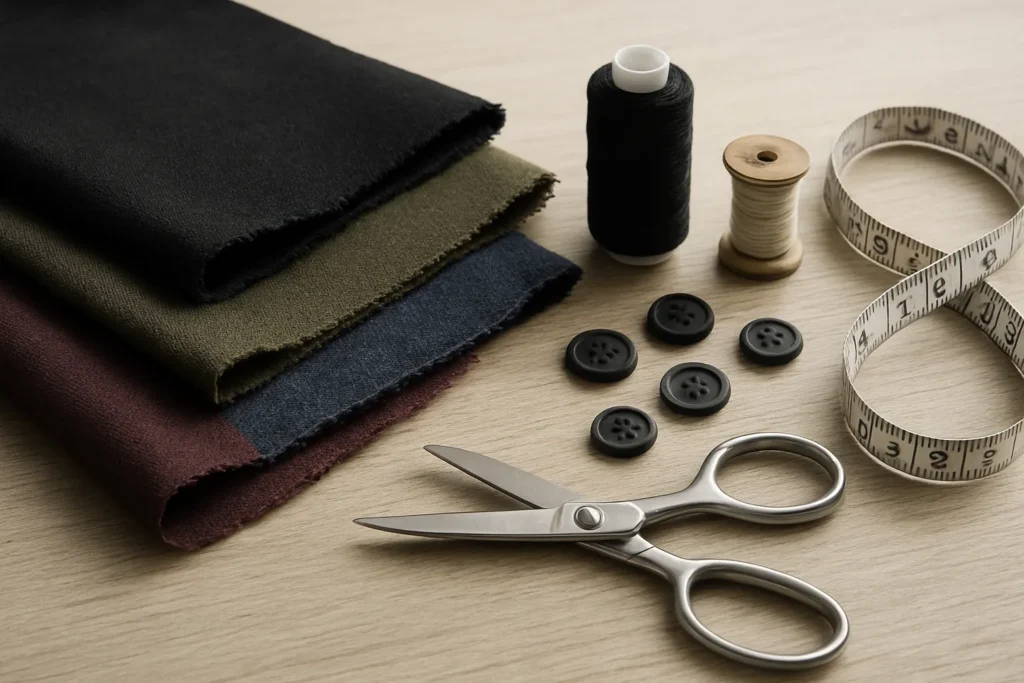
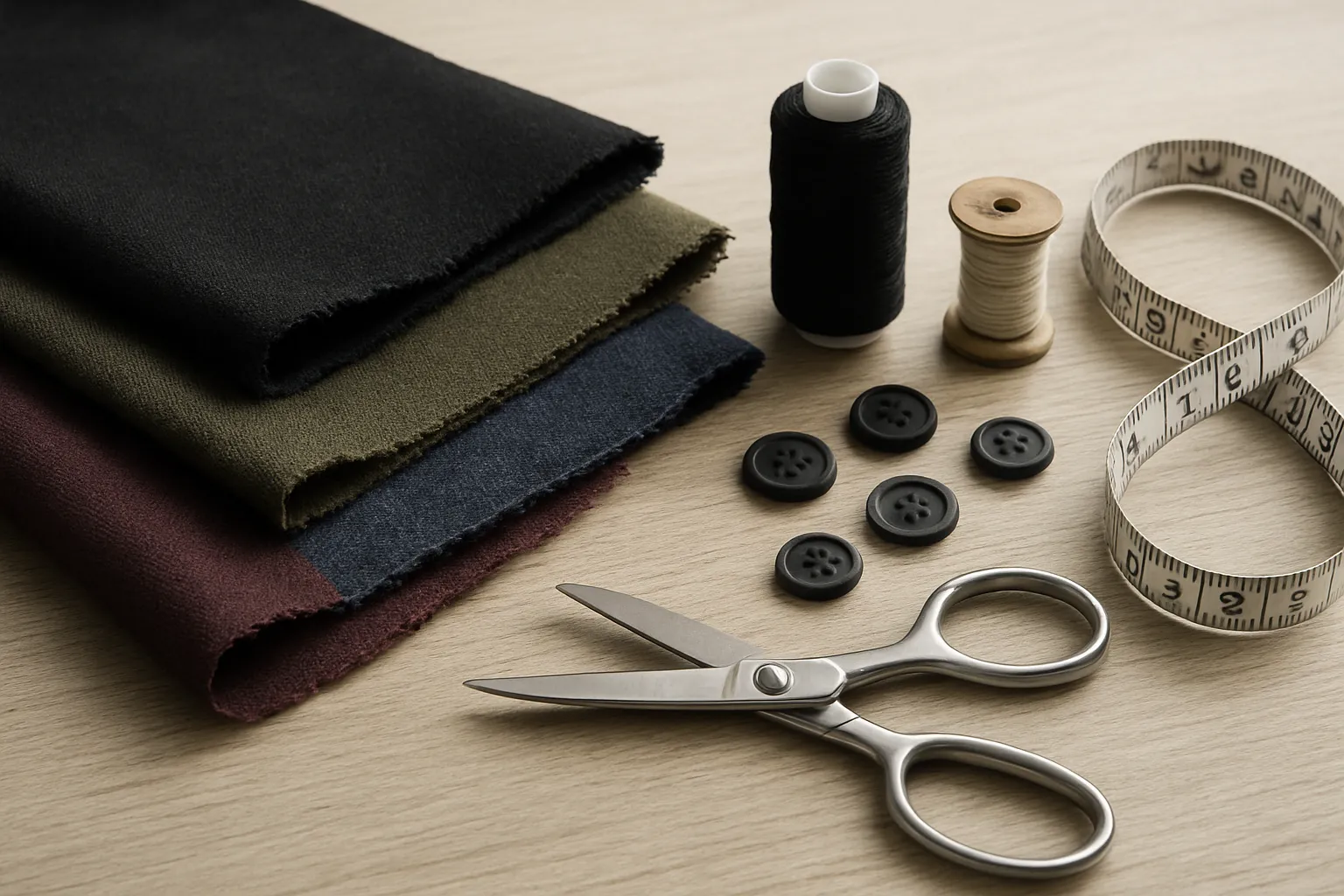
The range of fabric options available for alternative fashion is truly extensive. Commonly chosen materials include cotton, denim, leather, and various blends that allow for creative expression. In my experience, cotton is often preferred for its breathability and comfort, while denim stands out for its durability and classic appeal. Leather, whether genuine or synthetic, injects a rebellious flair, frequently showcased in jackets and accessories. Furthermore, innovative materials such as organic cotton, bamboo, and recycled polyester are gaining popularity, attracting eco-conscious consumers. For more insights on fabric options, you can refer to this industry reference.
*Key Fabric Properties to Consider*
Choosing the right fabric necessitates careful evaluation of several key properties including texture, weight, drape, and stretch. The texture can significantly influence the overall feel of a garment; for example, a soft, brushed fabric may evoke warmth and comfort, while a sleek, shiny material might convey sophistication. Weight and drape are crucial for understanding how a fabric will hang and move on the body. Stretch is particularly important for garments that demand mobility, such as activewear or fitted styles.
**3. Use Cases for Different Fabrics**
*Sustainable Fabrics in Alternative Fashion*
Sustainability is a major trend within the alternative fashion realm, prompting designers to explore eco-friendly fabric options. Materials like organic cotton, Tencel, and hemp are not only sustainable but also offer unique textures and aesthetics. These fabrics typically require less water and fewer chemicals during production, making them appealing to environmentally conscious consumers. Brands that prioritize sustainable fabrics can significantly enhance their market appeal, catering to a growing demographic that values ethical fashion. For a deeper understanding of fabric options, check out this technical reference.
*Performance Fabrics for Active Wear*
For those within the alternative fashion space focused on activewear, performance fabrics are essential. Options such as moisture-wicking polyester, spandex blends, and breathable mesh can greatly enhance comfort and functionality. These materials are designed to withstand rigorous activities while providing flexibility and support. As the demand for stylish yet functional activewear increases, incorporating performance fabrics can distinguish a brand in a competitive market.
**4. Comparing Fabric Options**
*Natural vs. Synthetic Fabrics*
When deciding between natural and synthetic fabrics, it’s vital to consider the advantages and disadvantages of each. Natural fabrics like cotton and linen are generally more breathable and environmentally friendly, but they may lack the durability of synthetic alternatives. On the other hand, synthetic fabrics such as polyester and nylon can offer impressive durability and are often more resistant to stains and wrinkles. Understanding the intended use of the garment will be crucial in guiding the fabric selection process.
*Cost-Effectiveness of Various Fabrics*
Cost is another significant factor when evaluating fabric options. Natural fabrics typically come with a higher price tag due to their production processes, while synthetic fabrics may be more budget-friendly. However, investing in higher-quality fabrics can lead to longer-lasting garments, ultimately providing better value over time. Brands should remain mindful of their target market’s price sensitivity and the perceived value of the fabrics they choose.
**5. Sourcing Fabric Options**
*Finding Reliable Suppliers*
Sourcing high-quality fabric options begins with identifying reliable suppliers. Attending trade shows, industry exhibitions, and networking events can facilitate connections between designers and reputable fabric manufacturers. Online platforms and directories also simplify the search for suppliers who specialize in alternative fashion fabrics. Building strong relationships with suppliers can result in better pricing, exclusive materials, and timely deliveries.
*Evaluating Fabric Quality and Sustainability*
Once suppliers are identified, assessing fabric quality and sustainability becomes critical. Requesting samples can help evaluate the texture, durability, and overall feel of the fabric. Additionally, investigating the supplier’s sustainability practices, including sourcing methods and certifications, is essential to ensure alignment with the brand’s values. Transparency in the supply chain can significantly enhance a brand’s credibility and attract discerning consumers.
**6. Implementation in Design**
*Integrating Fabrics into Fashion Designs*
Integrating selected fabrics into fashion designs requires a blend of creativity and innovation. Designers should consider how the chosen fabrics will complement the overall aesthetic and functionality of the garment. Experimenting with layering, mixing textures, and utilizing contrasting fabrics can lead to unique and eye-catching designs that resonate with the alternative fashion community.
*Adapting to Trends in Alternative Fashion*
Staying updated on trends in alternative fashion is essential for any designer. This encompasses not only fabric trends but also shifts in consumer preferences and cultural influences. Engaging with the community through social media, fashion shows, and collaborative projects can provide valuable insights into emerging trends, allowing designers to adapt their fabric choices and designs accordingly.
**7. Frequently Asked Questions**
*What are the best fabrics for eco-friendly fashion?*
The best fabrics for eco-friendly fashion include organic cotton, Tencel, hemp, and recycled materials. These fabrics are produced with minimal environmental impact and appeal to sustainability-conscious consumers.
*How do I choose fabric for different styles?*
Choosing fabric for different styles involves considering the intended aesthetic, functionality, and comfort. For instance, flowy fabrics like chiffon may work well for bohemian styles, while structured fabrics like denim are ideal for punk-inspired looks.
**Conclusion**
Selecting the right fabric options for alternative fashion is a multifaceted process that requires careful consideration of various factors, including sustainability, performance, and market trends. By understanding the specifications and use cases of different fabrics, designers can create unique garments that resonate with their target audience. As alternative fashion continues to evolve, staying informed about fabric innovations and consumer preferences will be key to success in this vibrant industry.