Raven Pendant Orders: Fix the Sculpted Detail
How should buyers approve the sculpted detail of a raven pendant? Link an identified supplier sample to clear front, rear and side references, mark the decorative regions that matter to the order, and obtain confirmation of the offered design version. Agree how any proposed change will be reviewed. A general product name or one catalogue angle does not establish a complete decorative-design specification.
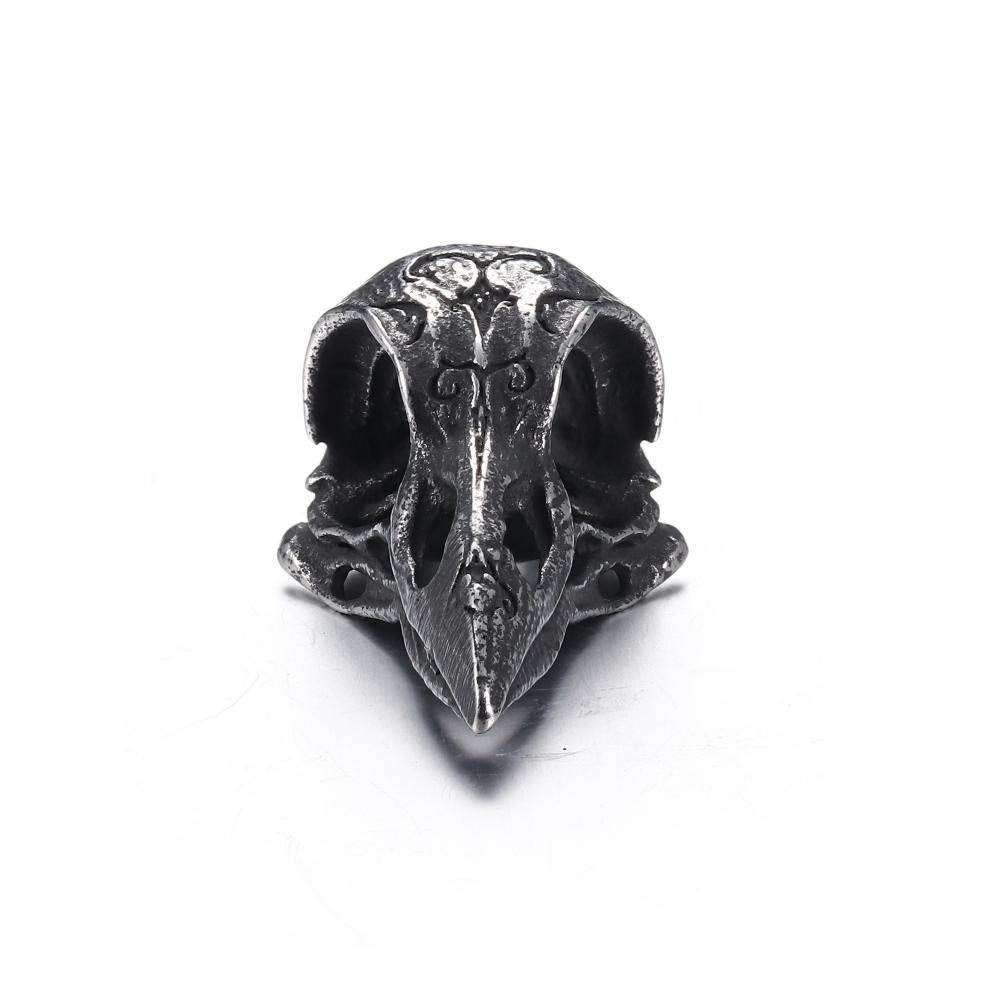
Official front reference for identifying the sculpted design. Approve a supplier-linked sample and detail record rather than assigning cultural meaning or manufacturing tolerances from the image.
Identify the offered sculpted design
Jiuzhen Alt lists a Retro Raven Stainless Steel Skull Pendant. Official product photographs show its form from several directions, with decorative surface features visible around the front, rear and side areas. Use the actual listing and supplier reference to identify the design being discussed.
A B2B buyer sourcing wholesale pendants may need a clear master reference so the quoted article and sample are not confused with a similar skull design. Keep the product reference, image set and sample identifier together. The purpose is to identify the physical appearance offered for the order, not to assign a historical or symbolic meaning to the decoration.
The reviewed page does not provide a region-specific design master or agreed local-detail acceptance limits. Request the supplier’s available reference information before treating the catalogue as a complete production drawing. No manufacturing method, dimensional tolerance or material grade is inferred from the appearance.
Buying field
Requested supplier response
Design identity
Exact Raven pendant listing, supplier reference and offered revision.
Reference views
Identified front, rear and side images linked to the same sample.
Decorative regions
Marked visible features and the scope of what the buyer wants to approve.
Detail information
Supplier-provided drawings, close views or descriptions where available.
Sample decision
Recorded observations and the agreed acceptance scope.
Changes
How revised decorative details or reference files will be identified and confirmed.
Map the visible regions instead of relying on a style name
Ask the supplier to identify the views used for the proposed sample. The front-facing reference can show different features from the rear or side. Label the areas under discussion so that the buyer and supplier are referring to the same part of the design.
Where a decorative line, recess, opening or raised area matters to the purchase, point to its location on the reference. Ask what detail information the supplier can provide. Do not name a concealed construction or assign an exact feature size from a photograph that has no agreed measurement basis.
Keep design identity separate from a surface-finish decision. A visible feature has a location and form, while its colour contrast or finish is another scope to confirm where relevant. This article does not prescribe a darkening process or reuse another ring’s appearance approval as the master for this pendant.
Official rear reference showing a different area of the same design. The photograph identifies appearance without establishing hidden construction or a finish specification.
Connect close views with the complete sample
Request any necessary close views together with enough context to locate them on the complete pendant. An isolated detail image should carry the same sample or supplier-reference identity. Otherwise a later reader may not know which offered version the detail represents.
Agree how the sample will be presented during an appearance review. Reflections, viewing direction and the part shown can make the sculpted areas look different in photographs. Record the relevant conditions rather than assuming every image difference proves a design change.
If the buyer requires measurements of a particular feature, ask the supplier for a proposed definition and reference. The published overall dimensions do not automatically specify each decorative region. Keep any numerical requirement as a separately agreed field rather than estimating it from the catalogue picture.
Record the offered reference and the decision scope
Compare the identified sample with the agreed reference set and describe the observations that matter to the order. Record the area and the visible difference before deciding whether it is acceptable. This guide supplies no universal defect allowance or unverified quality grade for the listed pendant.
If an area cannot be judged from the available information, ask the supplier what additional view or sample detail it can provide. Leave that point identifiable in the decision. An unanswered question should not become an assumed match simply because the overall product name is the same.
State what the appearance approval covers. It can identify the selected decorative version without settling chain inclusion, attachment compatibility, alloy evidence or another functional requirement. Keep those enquiries linked where useful, while preserving their separate scope and supporting information.
Official side reference for the pendant form. Keep decorative-detail approval separate from the earlier chain-assembly and attachment-clearance enquiry.
Keep the design master usable through order changes
Retain the accepted sample identifier, view set, marked regions and supplier response with the quotation or order. The person preparing product information should be able to identify which decorative version was accepted. Catalogue cultural or personal-power language is not treated here as a verified product attribute.
Ask the supplier to identify any proposed design revision before treating it as equivalent to the approved reference. A changed close view, drawing or sample should have a clear relationship to the earlier version. Preserve the earlier record as history rather than mixing details from two revisions.
For purchasing and receiving handover, provide the current reference set and the questions to raise when an offered or delivered design differs. This is a practical design-identification record. It does not establish manufacturing capability, material composition, attachment strength or a guarantee about future production.
Buyer FAQ
Does the Raven product name define every decorative detail?
No. Use identified views and a supplier-linked sample to establish which physical design version is offered.
Can a rear view replace a front reference?
They show different regions. Identify the relevant views and link them to the same offered sample.
Does this approval confirm a supplied chain?
No. Chain assembly and attachment information are separate from the decorative-design reference.
Can local dimensions be estimated from the image?
Request the supplier’s measurement reference where needed. No local tolerance or feature size is invented from a catalogue photograph.
What should the order retain?
Keep the design identity, reference views, marked regions, sample observations, supplier response and written decision scope together.
Use the actual Retro Raven pendant reference and request an identified decorative-detail reference. See the accessory blog for related purchasing topics.
Identify the offered design and complete reference views.
Mark decorative regions and record the sample decision scope.
Confirm proposed design revisions before release.
wholesale pendantsB2B supplier sample record