Raven Pendant Packs: Define Component Positions
A raven-pendant packing enquiry should identify where each confirmed supplied component sits in the proposed pack. A pendant-body photograph does not show whether a chain is included, how loose fittings are arranged or which surfaces touch during packing. Start with the actual offered configuration, then ask for the supplier position and contact reference for that configuration.
Jiuzhen Alt lists a Retro Raven Stainless Steel Skull Pendant and shows the sculpted pendant from several sides. Its catalogue fields identify the offered product, but the reviewed page supplies no packing layout or confirmed chain bundle. The buyer task here is to obtain an identifiable packing proposal for the components the supplier actually confirms, without inventing a pouch, box or protective result.
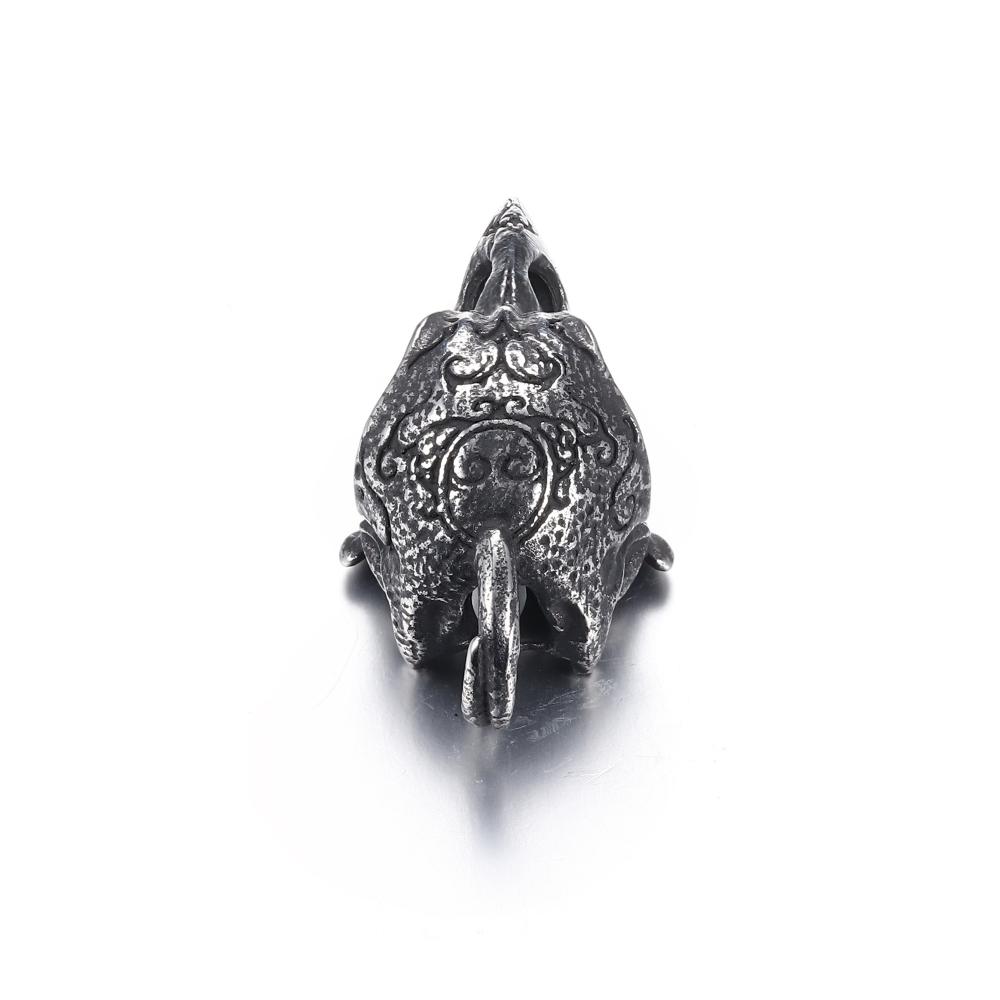
Official pendant-body reference. Ask how the selected supply configuration is positioned in the proposed pack; the image does not confirm an included chain or packing system.
Start with the supplied component configuration
Link the packing request to the exact pendant offer and any existing supplier component response. If the offer is a bare pendant, keep the packing discussion limited to that supplied item and the packing materials the supplier proposes. If a chain or other fittings are confirmed, identify those components explicitly rather than assuming that the name pendant means a complete necklace.
A prior assembly enquiry asks which components are supplied and how they form the offered item. The packing enquiry uses that answer to ask where those components are positioned in the proposed pack. Keep the component reference and packing reference linked so that an agreed layout cannot be applied to a different supplied configuration.
Ask for a position reference for the proposed pack
Request an identified view or diagram showing the pendant position within the actual proposed pack. Ask the supplier to identify its front, rear or other relevant orientation in that arrangement. The reference should make clear which supplied component occupies each position and how any proposed support or separation relates to it.
Where a chain is confirmed, ask the supplier to show its proposed packed route or location separately from the pendant body. Where loose fittings are supplied, ask how they are identified and placed. Leave these fields open until the supplier responds; this guide does not prescribe a particular coil, fastening or packing accessory.
If the supplier offers more than one packing proposal, give each a distinct reference. A general instruction to pack carefully does not identify the arrangement being quoted. The buyer should be able to compare the actual component positions and the scope of what each proposal includes.
Buying field
Requested supplier response
Supply configuration
Bare pendant or supplier-confirmed pendant, chain and fitting combination.
Pack proposal
Identified offered pack and the scope of its included materials.
Component positions
Pendant orientation and locations of any separately confirmed components.
Contact regions
Supplier reference showing product-to-product and product-to-pack contact.
Opening record
Identified sample and observations after opening the proposed arrangement.
Decision version
Applicable component list, pack reference, open questions and confirmed revision.
Official side reference for the pendant form. Locate contact areas in the supplier packing proposal without inferring scratch or shipping protection from the product image.
Identify contact without inventing protection results
Ask the supplier to identify where the pendant touches the proposed pack or another confirmed component. The official side and rear views help locate the sculpted form and projecting regions in that conversation. They do not demonstrate that a particular contact is harmless or that the proposed pack prevents a surface change.
If a chain is part of the offer, ask which regions may contact the pendant in the proposed arrangement. A buyer can request a clear contact reference without assuming that every metallic-looking component has the same surface treatment. Keep any component material or finish declarations specific to the item they describe.
Separate the arrangement proposal from a transport, scratch or tarnish-performance requirement. If the buyer needs evidence for such a requirement, agree an applicable evaluation scope and supporting response separately. Neither a product photograph nor an unspecified opening photograph supplies that result by itself.
Review an identified sample opening
Where the supplier provides a sample pack, record the sample identity and the packing proposal it represents. Keep the initial component positions identifiable, then record relevant observations when the pack is opened. Describe what is seen before assigning a cause or declaring that the arrangement has passed a broader shipping requirement.
For example, an observation may concern a component found in a different position, an unclear component identity or an appearance difference needing supplier clarification. No such problem is alleged for this product. The purpose of the record is to make an actual sample discussion traceable to the offered arrangement.
A sample opening does not automatically establish long-term storage or shipment protection. If a separate requirement applies, keep its method and decision criteria distinct from the basic position record. Avoid converting a limited observation on one identified sample into an unrestricted guarantee for all supplied packs.
Official front reference for the same pendant. Keep the accepted sculpted design separate from approval of pack contents, component positions and opening presentation.
Retain the pack version with the product version
Keep the supplier-confirmed component list, packing arrangement, contact reference and sample observations together. State the decision made against that version and any unanswered question. The previously selected sculpted-design reference remains useful for identifying the pendant, while the packing record describes a different approval scope.
Ask the supplier to identify a proposed change to the supplied chain, fittings, support or component placement before treating it as the same proposal. Keep the earlier record for comparison and identify the revised arrangement clearly. This gives purchasing and receiving a specific reference without repeating an unrelated ring-fit or material-evidence decision.
Buyer FAQ
Does the pendant photograph confirm an included chain?
No. Use the supplier-confirmed supply configuration before requesting positions for a chain or other fittings.
Should a buyer specify a box from appearance alone?
No. Ask the supplier to identify the actual proposed pack and the scope of its included materials.
Does a contact map prove scratch protection?
No. It identifies the arrangement being discussed. A protection requirement needs its own applicable evidence and agreed scope.
What should a sample opening record identify?
Keep the sample, pack version, component positions and actual observations linked without assigning an unsupported result.
What changes should prompt clarification?
A proposed change to supplied components, support, contact or placement should identify the affected packing reference and its new version.
Begin with the actual Retro Raven pendant reference and request an identified component-position proposal. Related accessory purchasing topics address other supplier decisions separately.
Confirm the supplied pendant and any additional components.
Map positions and contact in the actual packing proposal.
Retain an identified sample record and the applicable version.
wholesale pendantsB2B supplier sample record